The most important automotive trends to carry into 2025 are not the loudest ones. They are the practical shifts that changed how owners charge, plan, shop, and modify cars in 2024.
That includes better EV trip planning, more normal use of AI-assisted idea generation, and a continued move toward daily-driver tech that solves small problems well.
Key takeaways
- Charging confidence improved, but planning and backups still matter.
- AI tools became more useful as helpers than as replacements for expertise.
- Practical cabin tech and calibration-aware modifications gained importance.
- The line between hardware and software keeps getting thinner in modern vehicles.
- The most durable trends are the ones that reduce ownership friction.
EV ownership became more about workflow than novelty
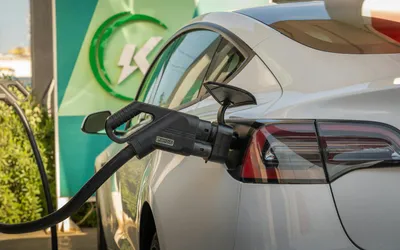
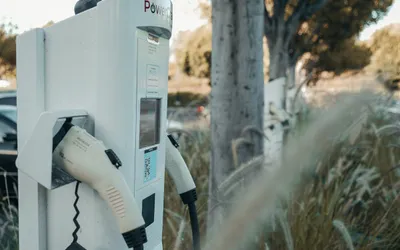
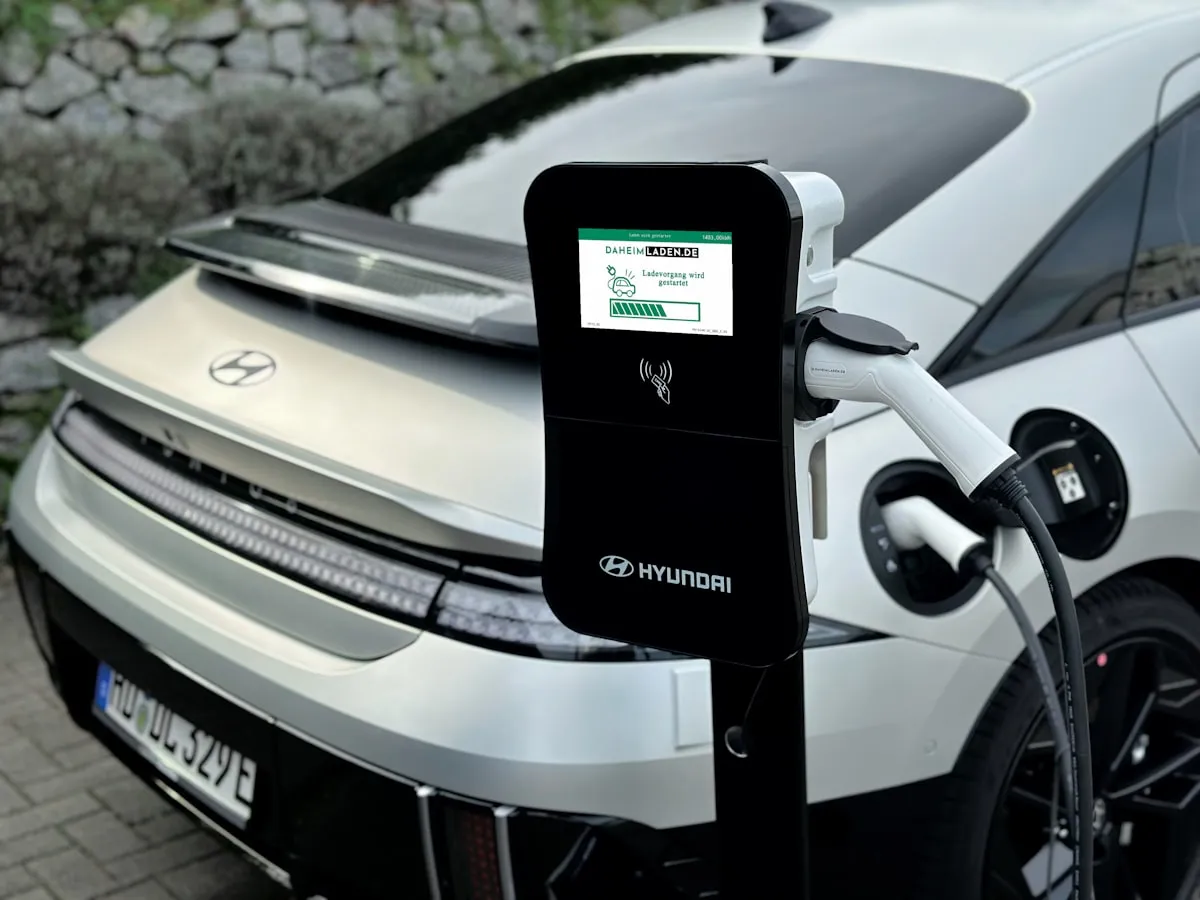
In 2024, the EV conversation kept shifting toward route planning, charging confidence, home setup, and day-to-day usability rather than just launch excitement. That is a healthy sign for buyers because it means the technology is being judged more on ownership reality.
Going into 2025, practical charging literacy will remain one of the most valuable skills for EV drivers.
AI found a better role
AI did not replace builders, designers, or technicians. What it did do was become more credible as a helper for concepting, visual comparison, and workflow acceleration. That is a much healthier place for the technology than pure hype.
The useful trend is not AI everywhere. It is AI where it genuinely saves time.
DIY tech is getting smarter, not just flashier
Backup cameras, charging setups, dash cams, route apps, calibration awareness, and other practical upgrades continued to matter because they improve normal use. This suggests the next wave of consumer car tech will be judged less by wow factor and more by whether it actually helps.
That is a good direction to carry into 2025.
Bottom line
Automotive technology is easiest to judge when it is tied back to real ownership. If a feature improves safety, charging confidence, usability, or planning, it matters. If it only sounds futuristic, it probably needs a second look.
That filter helps readers separate genuine value from launch-week noise and makes the article age better over time.