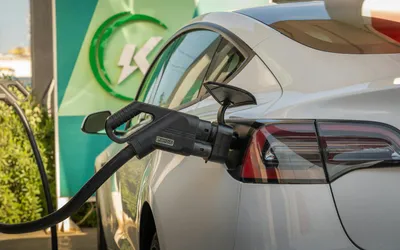
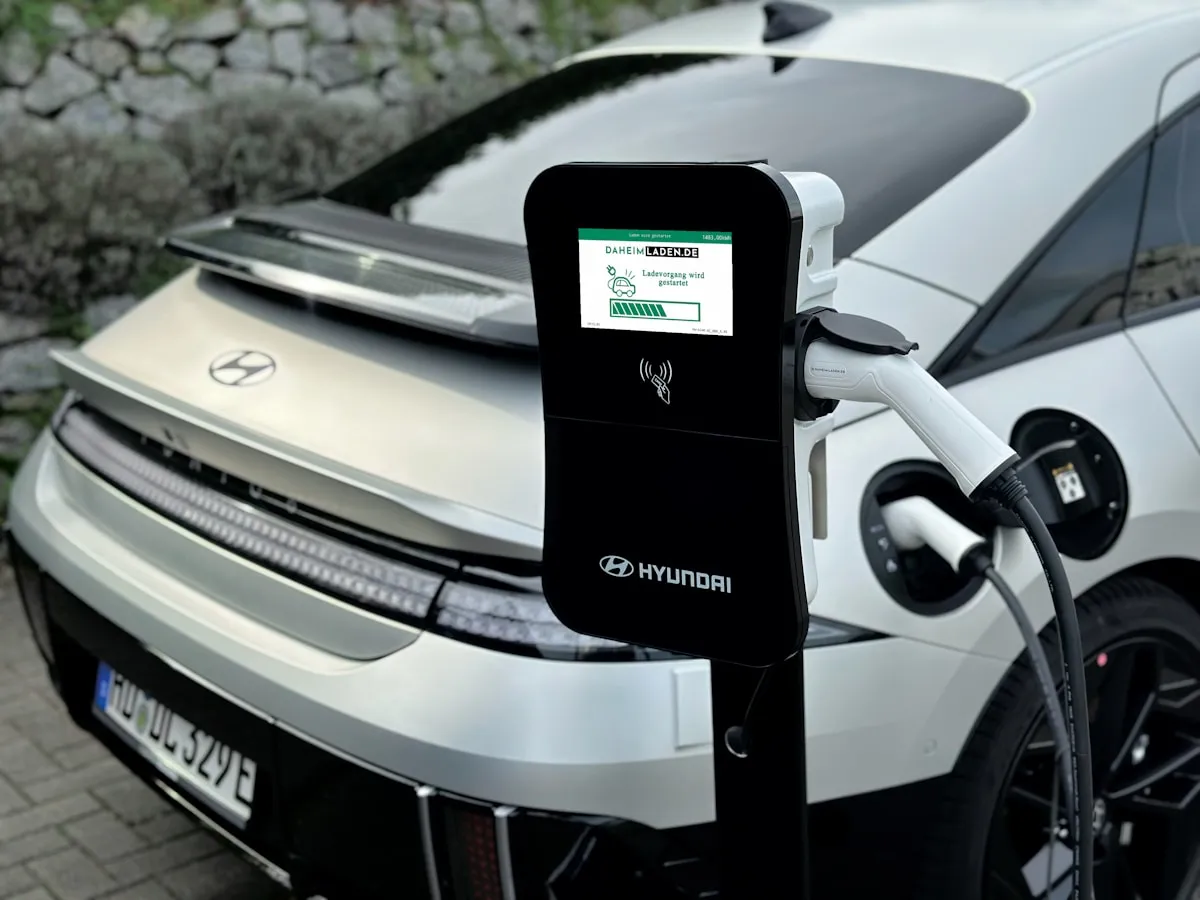
Home charging is where EV ownership usually becomes easier than many first-time buyers expect. Instead of thinking like a gas stop, you start thinking like an overnight routine.
The learning curve is mostly about matching your charging setup to your daily mileage, your parking situation, and the electrical reality of your home.
Key takeaways
- Most EV owners do the majority of charging at home.
- Level 1 can work for low-mileage situations, but Level 2 is often the practical long-term solution.
- Daily driving needs matter more than chasing the biggest charging number.
- Installation, circuit capacity, and parking setup should shape the plan.
- A good home routine makes public charging far less stressful.
Understand the difference between possible and practical
In theory, many owners can begin with basic household charging if their driving needs are modest. In practice, convenience, recovery speed, and seasonal energy use often make a dedicated Level 2 setup feel more natural for long-term ownership.
That does not mean everyone needs the biggest home charger available. It means you should match the setup to the miles you actually need to recover overnight.
Think about the parking and electrical side early
Where the car parks, how the cable reaches it, and what your electrical panel can support all matter as much as the charger brand. A perfect charger on paper is not helpful if the installation path is awkward or the circuit plan is poorly thought out.
This is why basic planning before purchase often pays off more than impulse shopping.
Home charging changes the ownership rhythm
Once the setup is in place, the biggest benefit is predictability. The car starts the day topped up or close to it, and public charging becomes a travel tool instead of a daily dependency.
That routine is what makes home charging so important for first-time EV owners to understand early.
Helpful references
Bottom line
Automotive technology is easiest to judge when it is tied back to real ownership. If a feature improves safety, charging confidence, usability, or planning, it matters. If it only sounds futuristic, it probably needs a second look.
That filter helps readers separate genuine value from launch-week noise and makes the article age better over time.